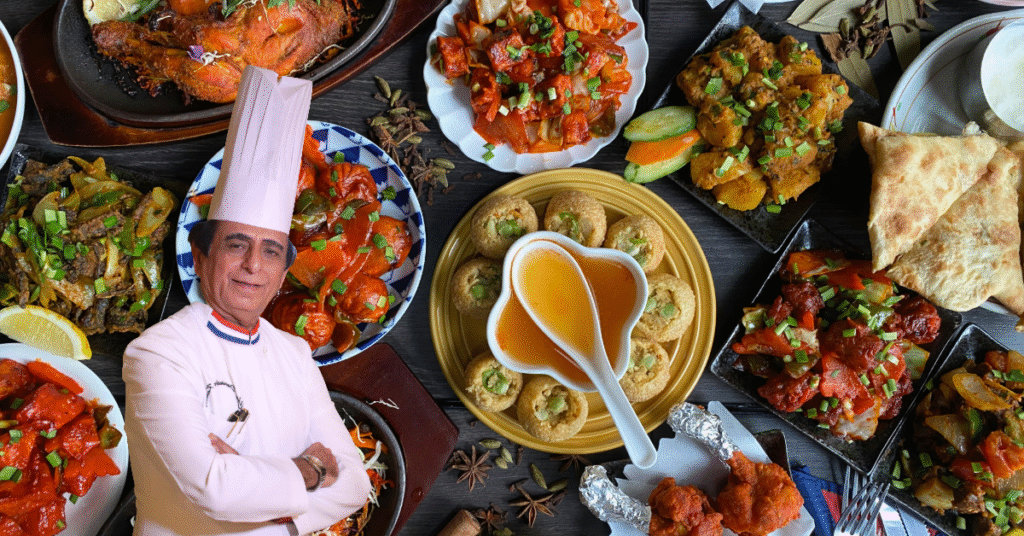
The Delectable Wedding Buffets
India’s wedding season arrives each year like a vibrant festival; colourful, loud, joyous, and wonderfully indulgent. Between the twinkling lights, music, couture lehengas, and grand baraat processions, one element quietly becomes the true showstopper: the food. The wedding buffets can classified into basic, premium, lavish, luxury, with sky being the limit for spends. The buffet isn’t just a meal, it’s an experience, a statement, and in many ways, the heart of the celebration.
How It All Began
But this culinary spectacle we see now wasn’t always so elaborate. In the earlier days, wedding buffets were humble, comforting, and deeply rooted in tradition. Think of a simple chhole, a paneer gravy, kadhi, pulao, dal fry, and perhaps one indulgent meat curry. Guests did not expect extravagance; they expected warmth, they expected the familiar flavours of home.
Then It Evolved
Over time, however, India’s palate began to wander. Travel increased, global exposure expanded, and wedding menus started reflecting a new curiosity. Suddenly, Thai curries made polite appearances next to dal makhani. Burmese Khow Suey sat comfortably beside Kashmiri Rogan josh. Pasta counters and sushi bars became as normal as jalebi-rabri. The once-modest buffet transformed into an international culinary passport.
The Spectacular Range Of Curries
Today, wedding curries form the soul of this gastronomic universe. Some of the most loved vegetarian curries include Paneer Laung Lazzat, Subz Miloni, Methi Chaman, and Rajma Raseela. On the non-vegetarian side, classics like Butter Chicken, Nadru Yakhni, Laal Maas, Chicken Chettinad, Rogan Josh, and Prawn Malai Curry reign supreme. Despite global influences, these dishes anchor the buffet in comforting familiarity.
What About 2025?
2025, however, has brought fresh winds of change. Wedding menus are increasingly celebrating hyperlocal curries, and regional gems that once lived quietly inside family kitchens. You’ll now find Manglorean gassi, Kumaoni jhol, Assamese fish tenga, Goan xacuti, Kongunadu kozhi, Bundelkhandi shahi aloo, and Garhwali dubuk sharing space with world cuisine. There is also a rising demand for vegan curries, with chefs crafting coconut-milk kormas, almond-cream koftas, jackfruit rogan josh, and tofu tikka masala that satisfy both palate and philosophy.
Interactive and story based cuisine is in. Guests not only want to experience new cuisines, but these are incomplete without the stories they want to hear. Tailor-made, customised, bespoke, go beyond just attire or jewellery; they have seeped into the buffets as well. Menus are going healthier, and nutritive, with the guests demanding these lighter dishes keeping in mind their fitness routines. Because, it’s not just one wedding, it could be a series of such indulgences, that could be a great compromise on their fitness levels. Of course, allergy alerts are in. Peanuts, eggs, other nuts, .. the list is long.
My Vision For Future Wedding Curries
Based on the pre-event discussions and demands from families here’s something that I predict; this could be my vision for curries served in wedding buffets. The trend that is poised to become the most beautiful culinary movement of the decade: family-fusion curries.
Imagine this. Two families coming together, not just through rituals and blessings, but through the very flavours that shaped their lives. A bride’s grandmother’s secret coconut-pepper stew blending gently with the groom’s family’s heirloom tomato-kasuri gravy. A spice mix carried for generations meeting another that has travelled across regions. A Kashmiri yakhni finding harmony with a Tamil pepper-jeera base. A Bengali mustard fish marrying a Punjabi tandoori marinade, all being served along with the original family heritage recipes.
I also feel menus will become more and more lavish, yet exclusive, with chefs indulging the personal tastes and demands of the guests. Quiet luxury has entered the wedding buffets as well.
The Emotions In Customised Curries
These curries aren’t just recipes; they are stories simmered over decades. They carry the laughter of kitchens, the hands of elders, the memories of festivals, the comfort of childhood. When they blend gracefully, experimentally, emotionally, they create something extraordinary: a curry that belongs to no single clan, yet carries the heartbeats of both.
Imagine guests tasting these creations without even realising they are tasting the first dish of this new union. A marriage not just celebrated, but flavoured with love, legacy, and a touch of culinary destiny.
And It Leaves Me With More Thoughts
As wedding buffets evolve, becoming richer, more experiential, more personal, we are left wondering:
Will the future belong to these intimate family-fusion curries? Will wedding menus transform into edible autobiographies of the bride and groom? Or will they become a poetic blend of both, where hyperlocal meets home-grown, and tradition meets two families’ dreams stirring together in one unforgettable pot?
Only time will tell. But one thing is certain: at every Indian wedding, the curries will continue to carry the warmth, identity, and magic of the moment.
Many of the spectacular curries find a place in my book Romance of the Indian Curry – 365 Flavours for the Year. Published by Shubhi Publishers, you can buy these book and try these curries at home. Here’s the link: https://amzn.in/d/eanSqyv